 User Generated Content Conference & Expo
 User Generated Content Conference & Expo








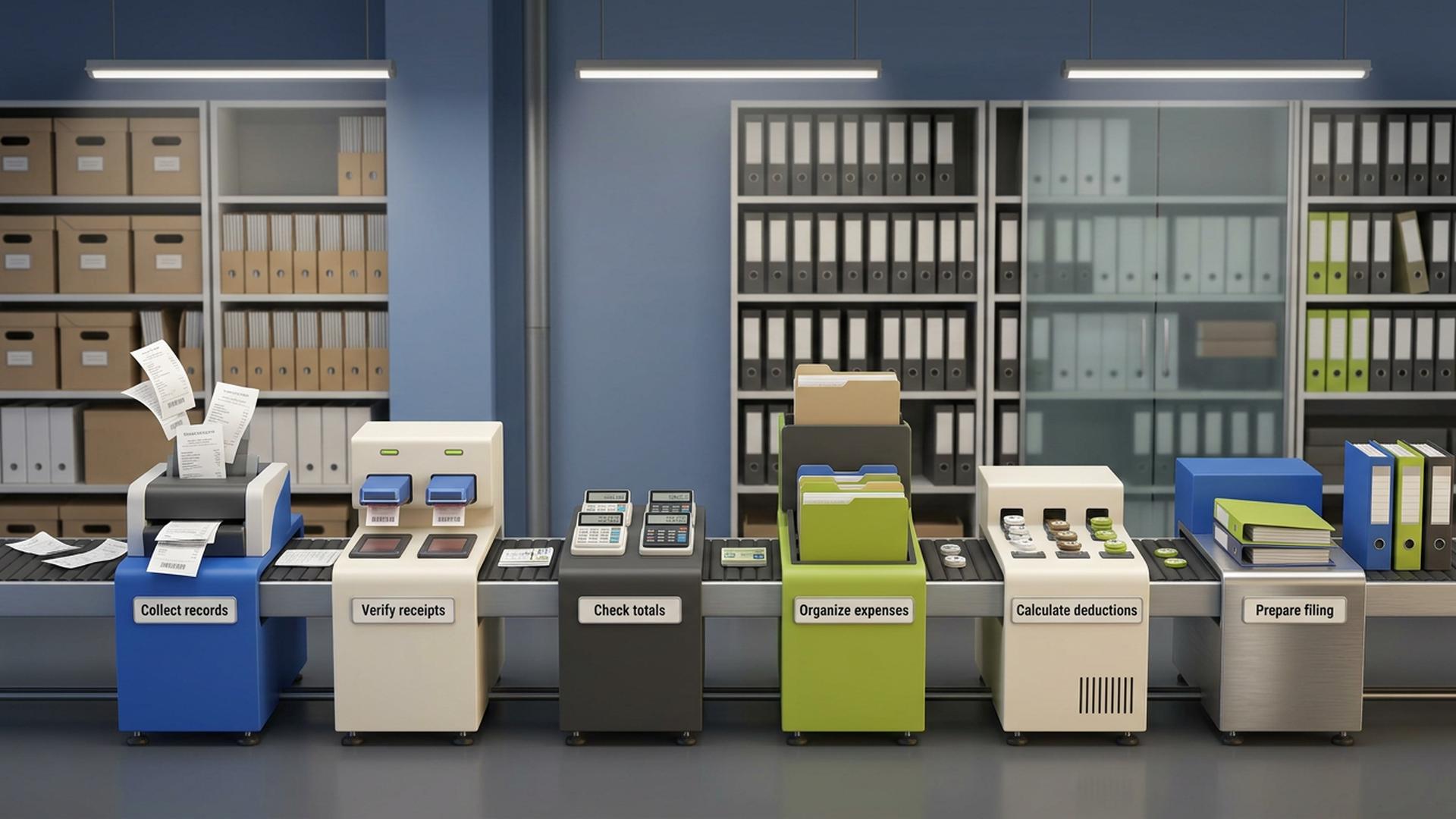
Tax deadlines can arrive with little warning. January comes around, quarterly VAT periods begin, and businesses may suddenly be rushing to gather records that should have been maintained all year. For most small business owners, the stress does not stem from complex finances. More often, it comes from not having suitable tools quietly keeping records organised in the background, leaving deadlines feeling overwhelming instead of manageable.
Business owners who appear untroubled by tax obligations are not necessarily more financially skilled than others. They have usually implemented a few applications that automate regular administrative tasks. This is what that combination can include.
Sage provides the core financial system. It records business revenue and costs as they occur, automatically reconciles bank activity, manages VAT returns, and links directly with HMRC for Making Tax Digital submissions. Instead of pulling together figures only when a deadline is near, businesses can keep their information updated throughout the year, turning submission into a short review rather than a lengthy rebuilding exercise.
|
Main feature |
How it supports tax preparation |
|---|---|
|
Real-time income and expense tracking |
Keeps business financial records current throughout the year. |
|
Automatic bank reconciliation |
Matches bank transactions without requiring manual reconciliation. |
|
VAT return handling |
Supports the preparation of VAT returns. |
|
HMRC connection for MTD submissions |
Enables Making Tax Digital submissions directly to HMRC. |
|
Quarterly reporting readiness |
Supports the quarterly digital reporting format required for MTD for Income Tax Self Assessment. |
MTD for Income Tax Self Assessment will begin from April 2026 for people earning more than fifty thousand pounds. Sage is already designed around the quarterly digital reporting approach that will be required. By using it now, business owners can establish the necessary processes before the obligation takes effect.
Why it matters: Maintaining accurate, ongoing financial records makes tax deadlines easier to handle and less stressful.
Incomplete expense records often result from business purchases not being tracked properly. Pleo provides smart business spending cards, automatically collects receipts when purchases are made, categorises transactions, and sends the information to accounting software in real time.
Business costs can therefore be recorded, documented, and classified immediately, without requiring an end-of-month reconciliation process. The expense position remains complete, while accounts stay aligned with day-to-day business activity.
Why it matters: Full visibility of business spending in real time helps prevent unexpected costs at deadline time and reduces the risk of overlooked deductions.
Tide is a widely used app-based business banking solution that offers more than a current account. It brings invoicing, expense categorisation, and accounting software integration together in one place. For sole traders and small business owners seeking to bring as much financial administration as possible into a single app, it can serve as a useful all-in-one option.
Because transactions are transferred automatically through its accounting integrations, records can remain current without manual data entry.
Why it matters: Linking a business bank account to accounting systems reduces the manual effort of importing transactions and helps keep records current through everyday banking activity.
Coconut is designed specifically for self employed users and automatically builds an estimated tax fund as income is received. Rather than relying on people to remember to save for a January bill that may feel distant, it estimates the likely amount due and transfers money into a separate pot when payments arrive.
It also gives users a running view of their expected tax liability, helping them understand what may be owed at different points in the year and reducing uncertainty around future payments.
Why it matters: Tax deadlines often feel financially difficult because the money has not been reserved when the bill is due. Coconut helps address that issue automatically.
Combining personal and business finances is a dependable way to make tax preparation more difficult than necessary. Monzo Business is an app-based business current account that separates professional income and spending from personal finances, while offering automatic transaction categorisation and direct accounting software integration.
For owners who have previously run their business finances through a personal account, moving to a dedicated account can make later financial tasks quicker and more accurate by providing clearer records.
Why it matters: Separating personal and business finances keeps income and expenditure records accurate, removing one of the most error-prone parts of tax preparation.
Mileage expenses are among the deductions most frequently underreported in self assessment returns, largely because manual recording is inconvenient and easily overlooked. MileIQ operates in the background on a smartphone, identifying and recording journeys automatically. Each trip can then be marked as business or personal with one swipe.
Across a year of business travel, the total mileage deduction may become substantial. For owners who travel to client appointments, meetings, or sites as part of their work, MileIQ will often recover deductions that make it pay for itself many times over.
Why it matters: Mileage is a valid and potentially significant business deduction, yet manual tracking frequently fails to capture the full amount.
What is the most important step for lowering tax deadline pressure? Moving accounting onto an appropriate digital platform has the greatest impact. When revenue and expenses are captured automatically and continuously during the year, deadline periods become a quick review-and-submit task instead of a reconstruction process that takes weeks. Saving for tax, logging mileage, and collecting receipts all add value, but they are most effective when this core system is already in place.
How will Making Tax Digital affect how often tax information is submitted? VAT-registered businesses already have to make quarterly digital submissions under MTD for VAT. From April 2026, MTD for Income Tax Self Assessment will require sole traders and landlords earning above fifty thousand pounds to send quarterly updates to HMRC instead of filing one annual return. The adjustment is comparatively straightforward for people already maintaining digital records. For those who are not, it is a substantial change that is better addressed now rather than later.
Are all six apps necessary, or can a smaller selection work? Begin with accounting software and a dedicated business bank account. For most small business owners, those two measures remove much of the stress associated with tax time. The remaining apps can provide worthwhile benefits in addition to that base, and many cost little enough that the time saved soon supports their expense.
Is connecting a banking app with accounting software secure? Yes. Established accounting platforms use secure, regulated open banking connections to access read-only transaction information from business bank accounts. Accounting software cannot use these connections to transfer money, and the arrangements fall under the same regulatory oversight that applies to other authorised financial services.
What occurs if an MTD submission deadline is missed? HMRC uses a points-based penalty approach for MTD submissions. A missed deadline results in a penalty point, and reaching the relevant threshold leads to a financial penalty. Using software that offers reminders and a visible submission record is a straightforward way to stay current and avoid building up points.